Nine departments. Two services. Connected care.
Velmont Institute is organised by department, and care moves between them where it needs to. Each department sets out how it assesses, what it investigates, and what follows from the result.

Departments

Diagnostic and preventive
medicine
This department is the foundation of care at the Institute. Each patient is investigated thoroughly at the outset, and a personal baseline is established against which every subsequent result is compared. Investigations are repeated at the interval at which the result could meaningfully have changed, imaging is reported by specialist consultants, and results are explained in person.
This department is the foundation of care at the Institute.
Regenerative and
longevity medicine
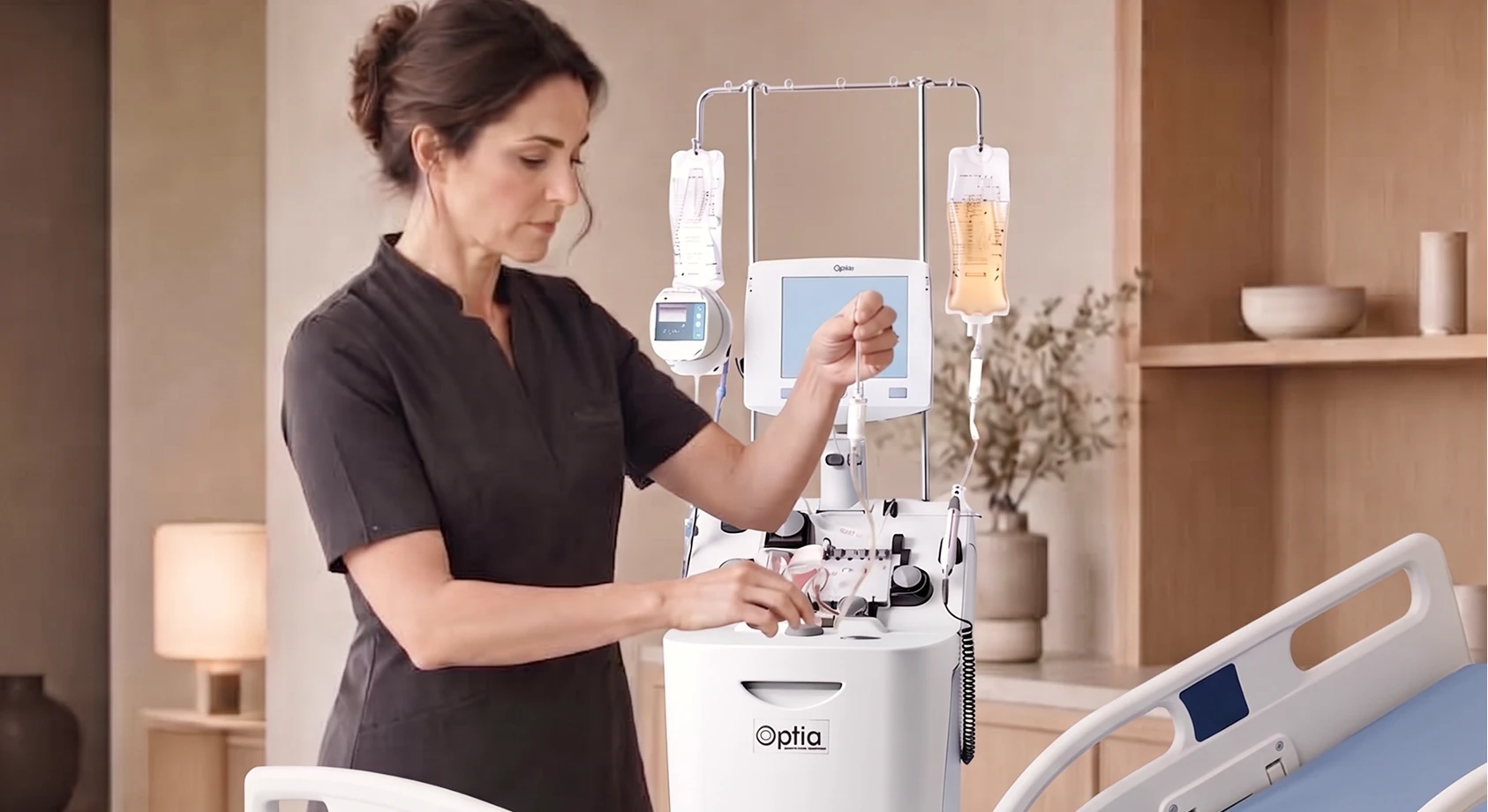
The Institute was founded on the conviction that the processes of ageing can be treated while they remain open to change, and this department is where that conviction is put into practice. It draws on the most advanced treatments medicine currently offers, adopted as the evidence for them matures and set aside where it does not, and delivers each within a defined sequence of measurement, intervention and reassessment.
The Institute was founded on the conviction that the processes of ageing can be treated while they remain open to change.

Genomic and precision
medicine
Inherited risk, established once and understood for a lifetime. The department sequences the genome, interprets what it means for the individual and for their family, and resolves in-house the genetic variants that determine how medicines are metabolised. The sequence is revisited as knowledge advances, and every result is explained in person before anything is acted upon.
Inherited risk, established once and understood for a lifetime.

Primary care / GP
Every patient is under the care of a named doctor who holds the record, coordinates care across the Institute and does not change. Appointments are of thirty minutes, and longer where the reason warrants it. The practice is available from nine in the morning until midnight, seven days a week, with most laboratory results available to your doctor the same day.
Every patient is under the care of a named doctor who holds the record, coordinates care across the Institute and does not change.
Gynaecology
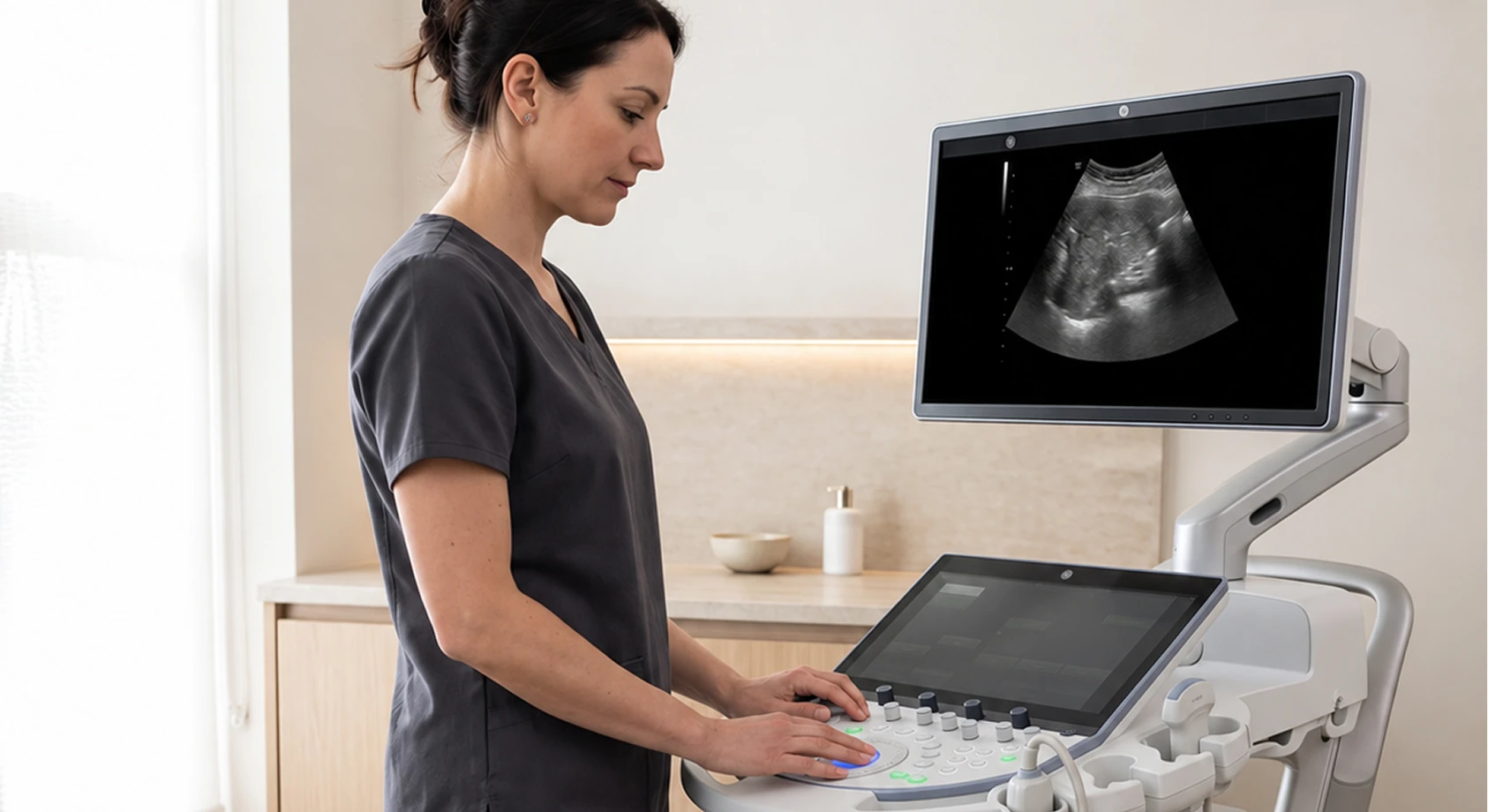
The department provides preventive care, diagnosis and outpatient treatment for gynaecological conditions, from the routine to the complex. Your consultant takes the time to understand your concerns and works with you on a plan of care that reflects your history and your priorities. Where a concern touches on the menopause or sexual health, your consultant draws on those departments so that your care is considered as a whole.
The department provides preventive care, diagnosis and outpatient treatment for gynaecological conditions, from the routine to the complex.

Women’s health
The menopausal transition is the most substantial physiological change most women will experience, and its effects extend well beyond the symptoms that prompt a consultation. The department treats those symptoms and measures the consequences for bone, the arteries, metabolism and cognition, adjusting treatment as your own results change rather than to a schedule.
The menopausal transition is the most substantial physiological change most women will experience, and its effects extend well beyond the symptoms that prompt a consultation.
Men’s health
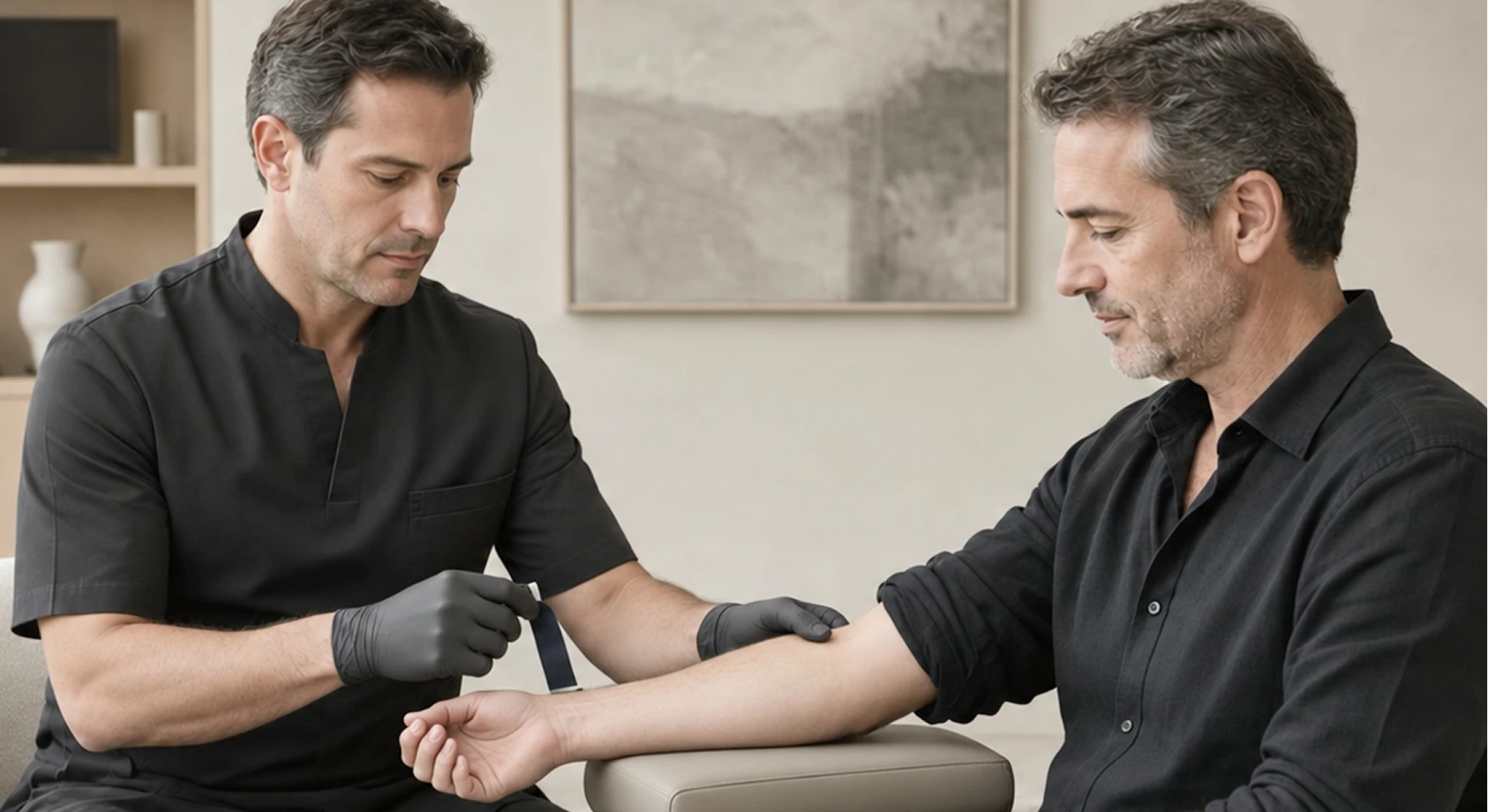
The department addresses the health concerns particular to men, from hormonal and cardiovascular health to the prostate, with the same thoroughness applied across the Institute. A diagnosis is established before any treatment is considered, and treatment, once begun, is monitored rather than assumed to be working. Matters that can be difficult to raise are met directly and in confidence, and your consultant works with colleagues in other departments wherever your care is better considered together.
The department addresses the health concerns particular to men, from hormonal and cardiovascular health to the prostate, with the same thoroughness applied across the Institute.

Sexual health
The department provides confidential screening, diagnosis and treatment for sexual health concerns, for both men and women. Screening is thorough rather than selective, results are explained to you in person, and where treatment is needed it is begun without delay. Your consultant approaches every concern with discretion and without judgement, and where it touches on other aspects of your health, draws on the wider Institute so that nothing is considered in isolation.
The department provides confidential screening, diagnosis and treatment for sexual health concerns, for both men and women.
Aesthetic medicine
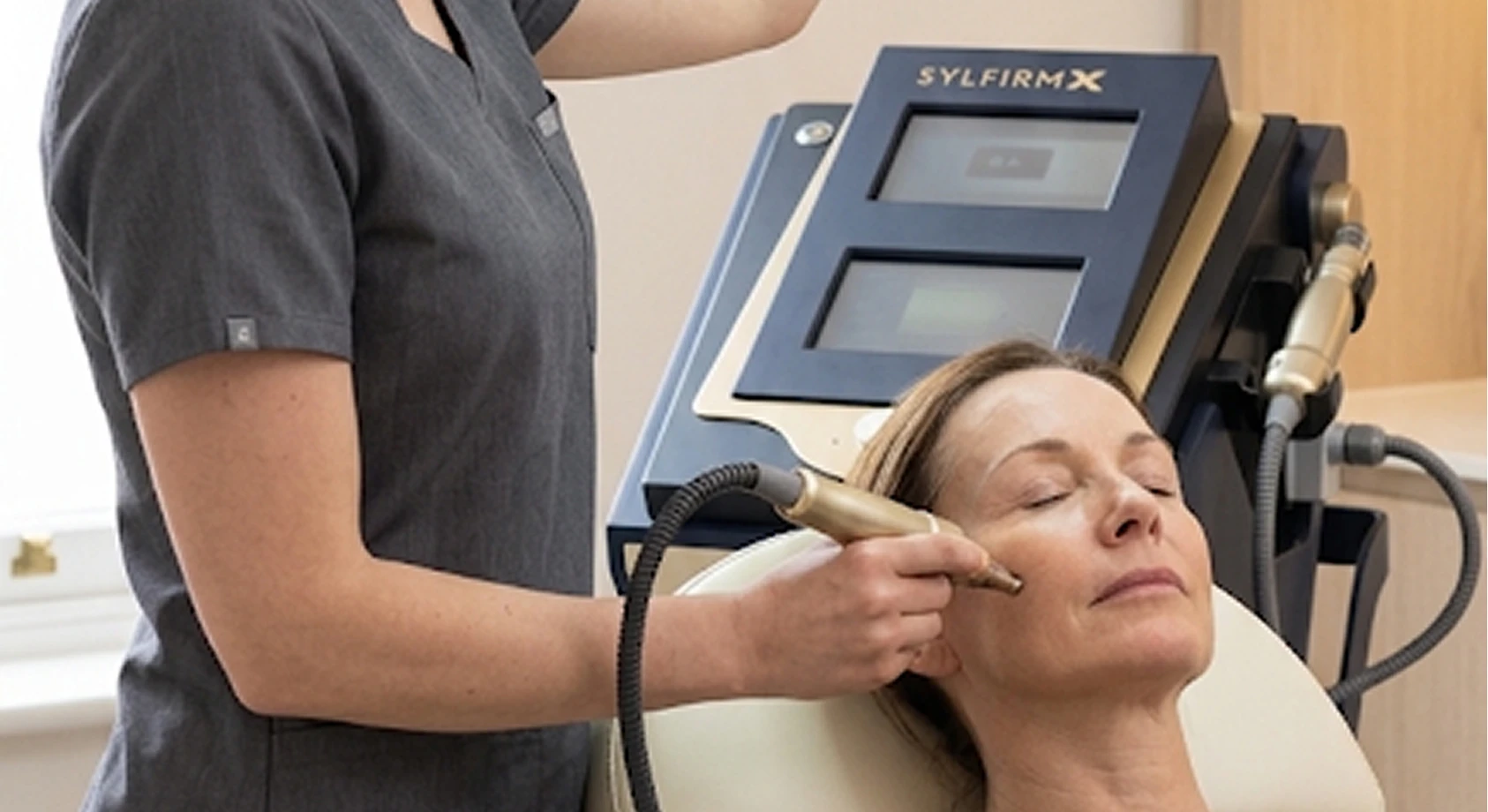
Treatment is selected for the individual, delivered by doctors, and intended to be undetectable as treatment. Each patient is examined before any procedure is discussed, and where the appropriate advice is that nothing be done, that advice is given. Laser, radiofrequency, ultrasound and injectable options are chosen by skin type, and the reasoning is explained before anything proceeds.
Treatment is selected for the individual, delivered by doctors, and intended to be undetectable as treatment.

Cardiovascular Medicine
Coronary disease develops over decades without symptoms and is measurable throughout them. The department examines the arteries directly, with photon-counting CT and a complete lipid assessment, rather than estimating risk, and treats what it finds under the same consultant. Disease is identified while there is still time to alter its course.
Coronary disease develops over decades without symptoms and is measurable throughout them.
Cancer Detection
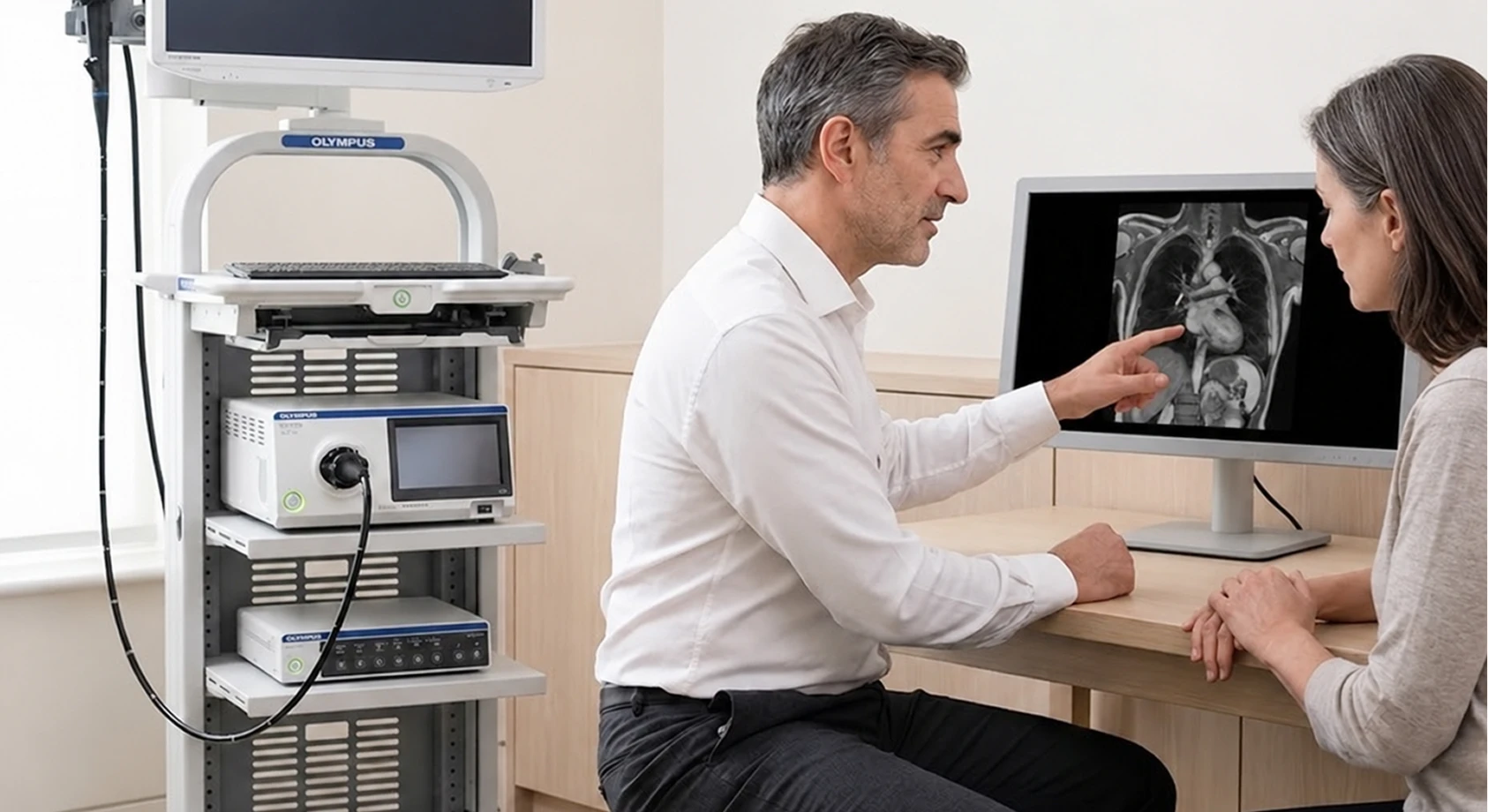
Screening is designed around individual risk rather than a fixed panel. The department looks for cancer before symptoms arise, drawing on imaging, endoscopy and blood analysis selected for each patient. Any finding is explained at the time, a plan is agreed before you leave, and treatment is arranged with a named specialist. Anonymised findings can contribute, through partnership with other leading institutions, to the wider evidence base for early detection.
Screening is designed around individual risk rather than a fixed panel.
Endocrine Medicine
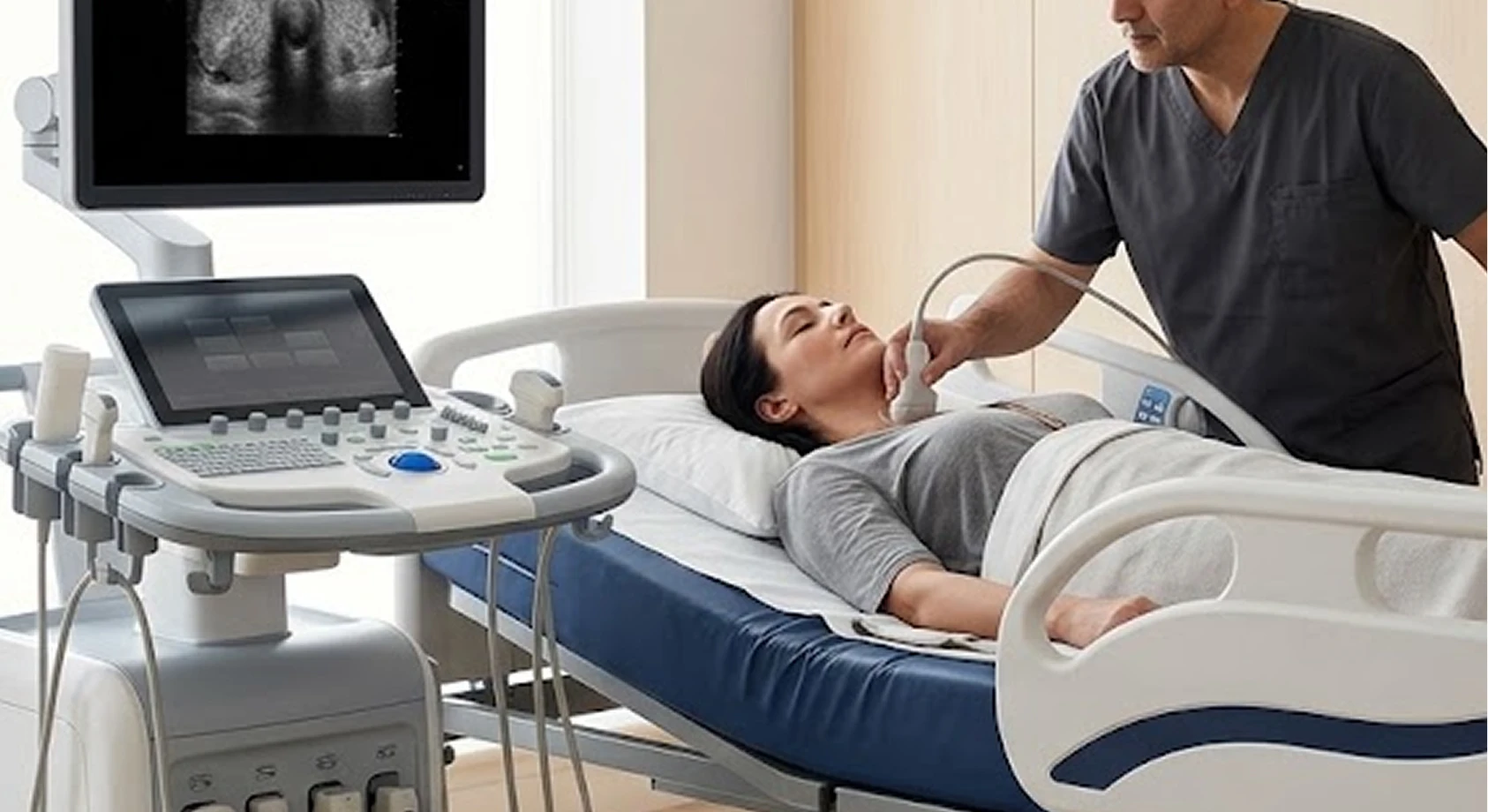
The department diagnoses and treats disorders of the hormonal system, whose effects on energy, weight, sleep, mood and temperature are often the first sign that something has changed. Investigation is thorough, and results are interpreted against your own history rather than a population range, so that treatment addresses what is actually occurring in you.
The department diagnoses and treats disorders of the hormonal system, whose effects on energy, weight, sleep, mood and temperature are often the first sign that something has changed.

Autoimmune Disease
Autoimmune conditions tend to occur together, and the department holds the whole picture within one team. It addresses three of the most common — autoimmune thyroid disease, psoriasis and autoimmune hair loss — and screens for the conditions that cluster with them, so that a second condition is identified before it declares itself.
Autoimmune conditions tend to occur together, and the department holds the whole picture within one team.
Orthopaedics
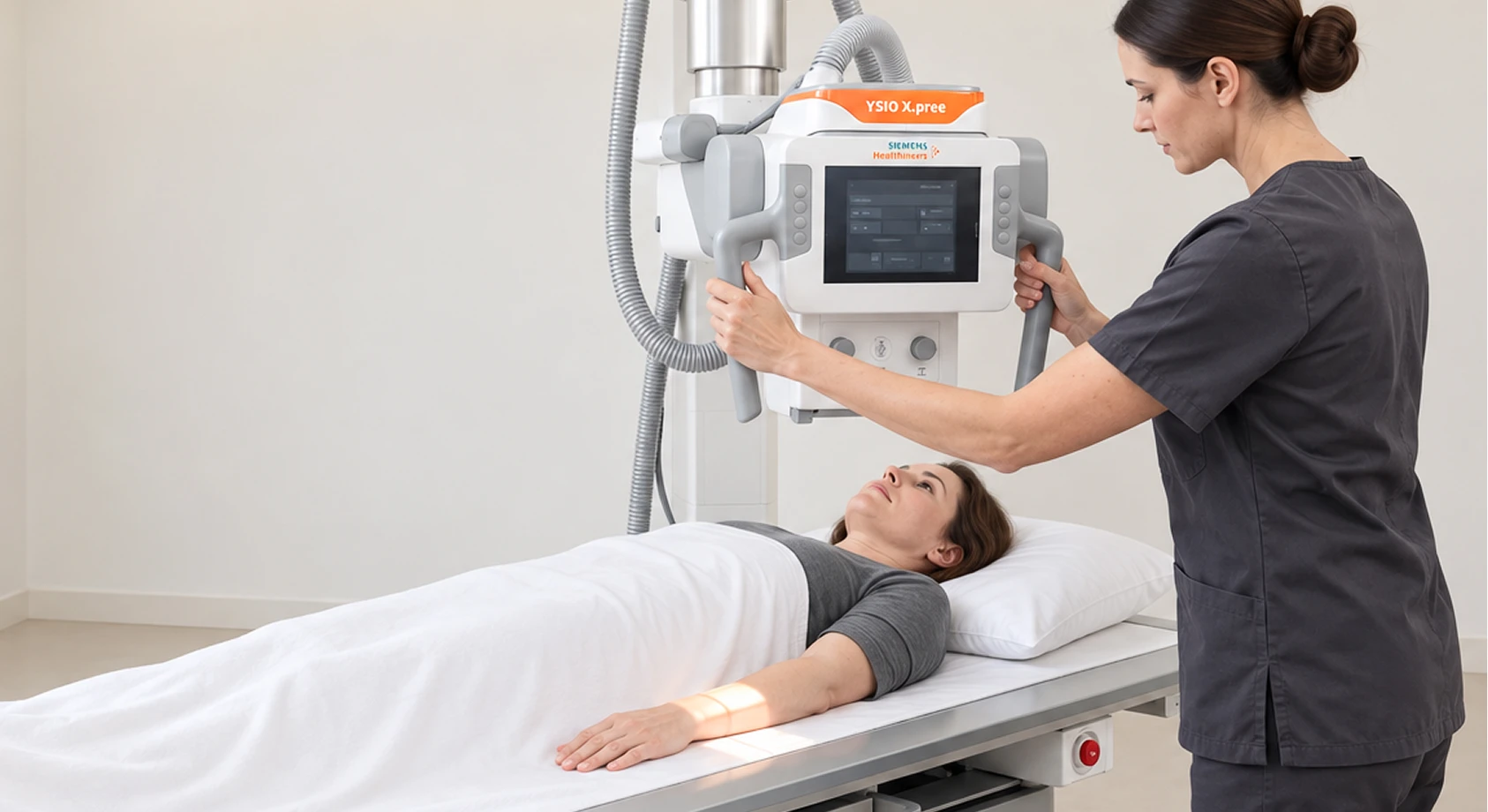
Assessment is unhurried, and imaging is used to establish the diagnosis before any decision is taken. The department treats the musculoskeletal conditions that respond without surgery, and where surgery is the correct course, refers you to a named surgeon and continues your care through recovery.
Assessment is unhurried, and imaging is used to establish the diagnosis before any decision is taken.
Dermatology
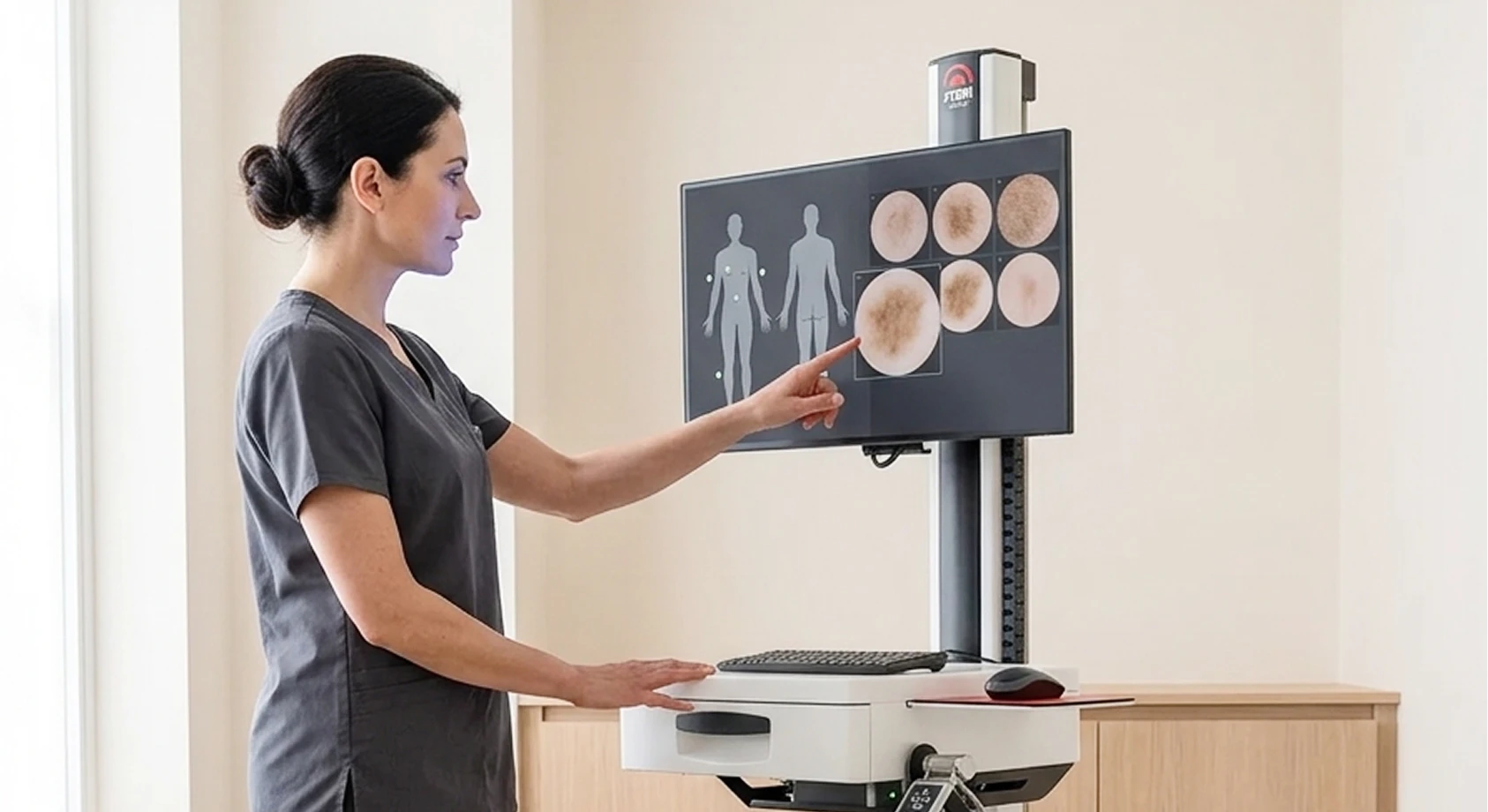
The department diagnoses and treats conditions of the skin, hair and nails, and provides the skin cancer surveillance on which the Institute’s preventive care depends. The latest skin mapping technology records the whole of the skin, so that changes are seen early and compared against your previous record. The skin often reflects what is happening beneath it, so findings here are read alongside the rest of your results rather than on their own.
The department diagnoses and treats conditions of the skin, hair and nails, and provides the skin cancer surveillance on which the Institute’s preventive care depends.
Second Opinion
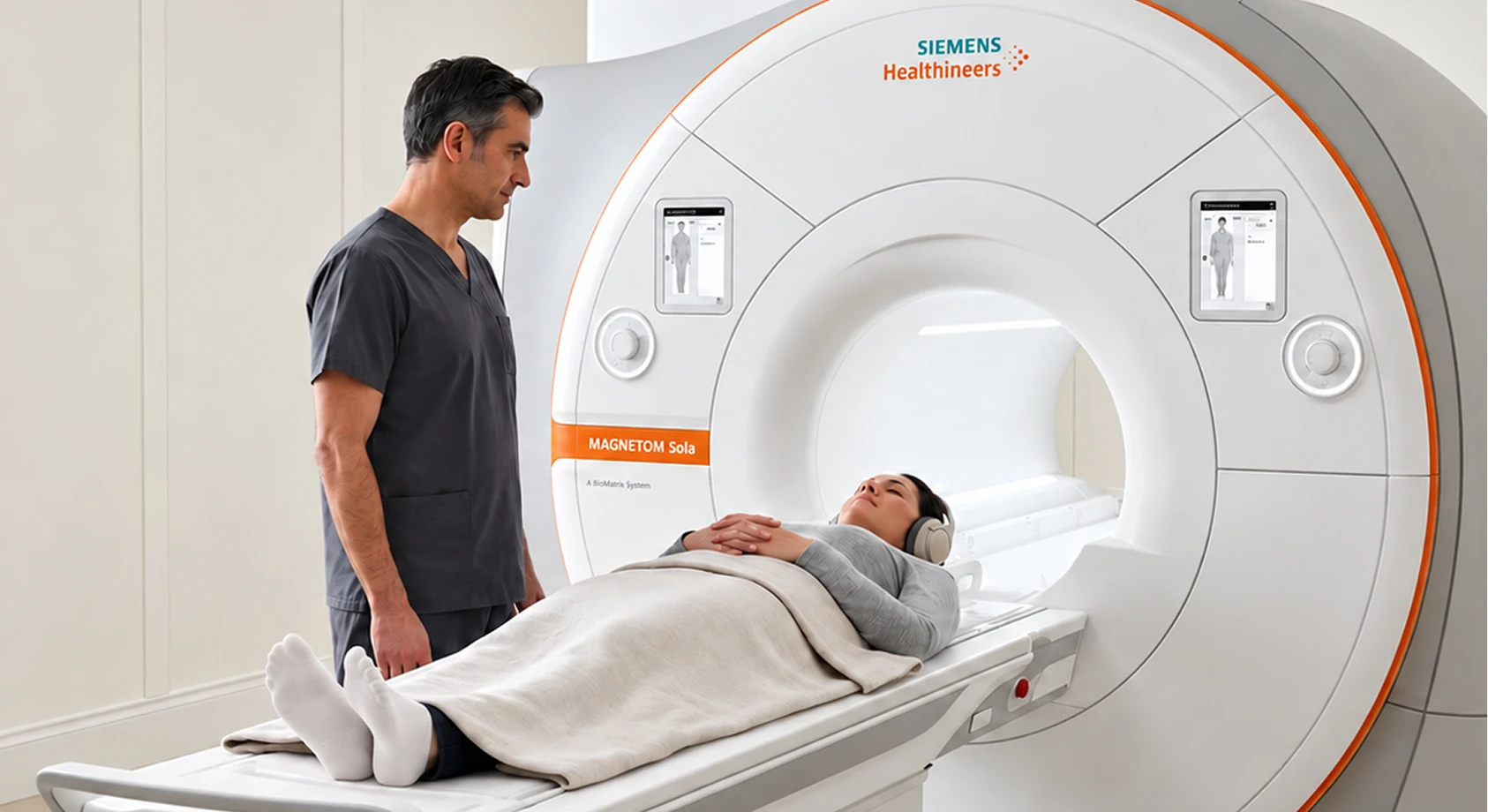
The second opinion is drawn from the source material rather than from a prior report. Scans and slides are read again by clinicians who have not seen the original conclusion, further investigations are undertaken where they are needed, and the answer is given in person with the reasoning behind it.
The second opinion is drawn from the source material rather than from a prior report.
Supporting services
Patient transport service
Transport to and from the Institute at any distance, arranged as part of the patient’s care. Where the patient’s condition warrants it, they are accompanied by a nurse or a doctor. This is not an emergency service; in an emergency patients should call 999.
Transport to and from the Institute at any distance, arranged as part of the patient’s care.

The recovery suite
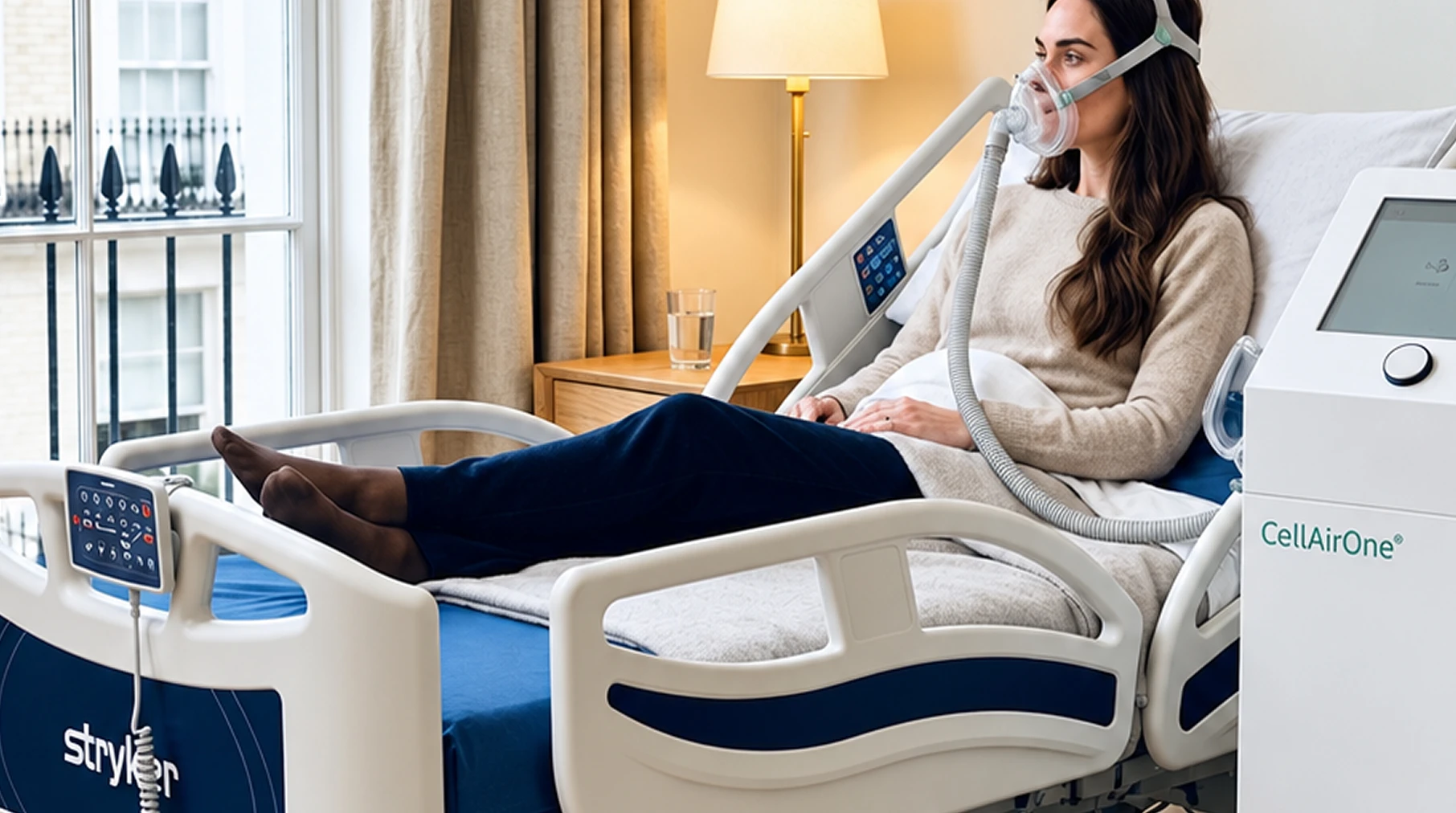
The recovery suite provides a calm, private setting for advanced restorative and aesthetic therapies, combining clinical expertise with an environment designed for comfort and recovery. Each treatment is delivered with clinical precision and tailored to the individual, creating a discreet, highly personalised experience that brings together medical innovation, restorative care and exceptional comfort.
The recovery suite provides a calm, private setting for advanced restorative and aesthetic therapies.
Arrange a consultation
Speak with our team about the care you need. We will help direct your
enquiry to the most appropriate department or consultant.
