Cardiovascular risk
Arterial disease is identified and treated here decades before it would otherwise present. Where the diagnostic assessment has found plaque, or the particles and inherited factors that produce it, this speciality manages them: intensively, against measurement, and with the one treatment that lowers lipoprotein(a) where the criteria for it are met. The aim is an artery that is not progressing, confirmed by imaging rather than assumed.
· Blood. Apolipoprotein B, the count of the particles that cause arterial disease, and lipoprotein(a), inherited and unmoved by diet or statins, set the targets for treatment and are measured at each quarterly assessment to confirm that the targets are met.
· Plaque imaging and surveillance. Photon-counting computed tomography and carotid ultrasound establish what is present and, repeated at the appropriate interval, whether it is progressing. Treatment is judged by the artery, not by the blood alone.
· Intensive lipid management. Statin, ezetimibe, PCSK9 inhibition and inclisiran, prescribed to a target and adjusted against results rather than at a scheduled review.
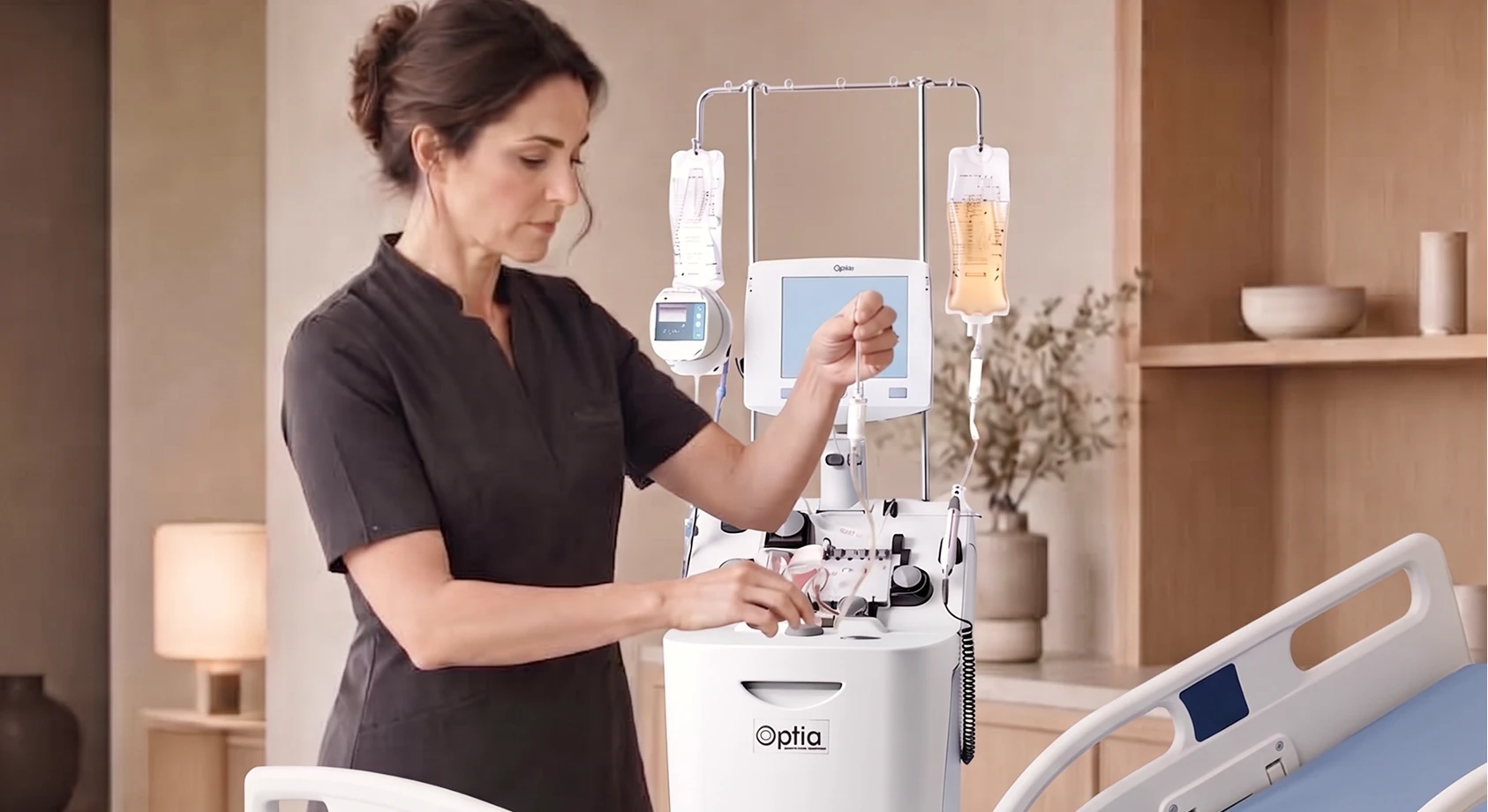
· Lipoprotein apheresis. On the Terumo Spectra Optia, with a column that binds lipoprotein(a) and removes it from the circulation. Where lipoprotein(a) is high and arterial disease is progressing despite everything else, it is the only treatment that lowers it. The criteria are strict and few patients will meet them.
Metabolic health
Insulin resistance moves through a reversible phase before it progresses towards diabetes, and this is where intervention counts most. Recent research, distinguishing the fast, stress-driven form from the slower, fat-driven form that builds over years, has reframed this compensated phase as an active window for treatment rather than a period to monitor. This speciality establishes exactly where you sit within that window and acts on it directly, through personalised nutritional and, where appropriate, pharmacological management: an ongoing relationship for as long as the finding remains active, not a single test followed by a wait.
· Glucose and insulin. A two-hour glucose tolerance test with insulin sampled at four points identifies the compensated phase while glucose still reads as normal, and a fortnight of continuous monitoring with the Dexcom G7 shows how your glucose behaves in ordinary life.
· Liver and visceral fat. Elastography on the Echosens FibroScan measures liver stiffness and fat content; visceral fat is measured directly by densitometry. Both are the organs in which metabolic disease first shows, and both respond to treatment within months.
· Nutritional and pharmacological management. Dietary intervention built from your own results, and, where indicated, medication including the GLP-1 receptor agonists and SGLT2 inhibitors, prescribed to a measured target and reviewed against continuous glucose data.
Physical function
Strength, cardiorespiratory capacity and lean mass are among the measures most strongly associated with how long and how well a person lives, and among the most responsive to intervention at any age. This speciality measures them directly and then prescribes against them, with training programmed to the result and reviewed at the next assessment, so that each measure becomes a target rather than a finding.
· Assessment. Cardiopulmonary exercise testing on the COSMED Quark, measuring maximal oxygen uptake under load; grip strength on a Jamar dynamometer; lean mass limb by limb on the GE Lunar iDXA; gait speed and balance.
· Prescribed training. Resistance and cardiorespiratory training programmed to your measured capacity, with the dose and progression set by an exercise physiologist and reviewed against the next set of results.
· Protein and nutritional assessment. Dietary protein and micronutrient status assessed against the demands of the training prescribed, since muscle cannot be built from what is not present.
Cognitive health
Almost half of dementia risk is accounted for by factors that can be changed, and almost all of them are changed decades before anything is noticed.¹ This speciality establishes where you stand now: the structures of the brain, the burden of small vessel change within them, your own performance across memory and processing speed, the retina, and your hearing. Those measurements are repeated against themselves rather than against a population, because decline is detected by comparison with your own earlier results and cannot be assessed without a baseline. What is then treated is everything that responds to treatment: vascular risk, metabolic and hormonal change, sleep, hearing, physical activity, medication and social connection. The aim is not to predict what will happen to you. It is to alter it while there is still time to.
¹ Lancet Commission on Dementia Prevention, Intervention and Care, 2024.
· Brain imaging. Volumetric magnetic resonance imaging on the Siemens MAGNETOM Sola, with Cortechs.ai NeuroQuant reporting the volumes of the structures associated with memory against age-matched norms and quantifying small-vessel change.
· Cognition. A structured battery from Cambridge Cognition, using parallel forms, so that repeated testing measures change rather than familiarity.
· Retina and hearing. Retinal imaging with optical coherence tomography on the Optos MonacoPro, the retina being central nervous tissue; and pure-tone audiometry, hearing loss being among the largest modifiable contributors to dementia risk.
· What is treated. Blood pressure and lipids, since small-vessel change is predominantly vascular; insulin resistance and visceral fat; hormonal change across the menopausal transition; sleep, including obstructive sleep apnoea; hearing, corrected rather than merely measured; physical activity prescribed against capacity; cumulative anticholinergic burden and other medication; and social connection.
Hormonal health
Hormonal change is among the most treatable contributors to how a person ages, and among the most poorly measured. This speciality is provided jointly with Women’s Health and Men’s Health: hormones are measured by mass spectrometry, the reference method, deficiency is confirmed before anything is replaced, and treatment is adjusted against results rather than to a schedule. It restores a physiological range and does not exceed it.
· Endocrine profiling. Full steroid, thyroid and adrenal profiling on the Sciex Triple Quad 7500, a mass spectrometer, accurate at the low concentrations at which immunoassay is not.
· Menopausal and andropausal assessment. Symptoms treated and consequences measured, for bone, the arteries, metabolism and cognition, with hormone therapy prescribed where deficiency is confirmed and monitored at each monthly attendance.
Immune health
The immune system ages, and its age can be measured. This speciality assesses the changes that accompany ageing, the chronic low-grade inflammation that drives much of it, and the viral exposure that accelerates it, and treats what contributes to them: metabolic disease, sleep, periodontal inflammation and the rest.
· Inflammatory markers. High-sensitivity C-reactive protein, interleukin-6 and the wider inflammatory panel, measured at each quarterly assessment.
· Immune cell profiling. Flow cytometry on the BD FACSLyric, measuring lymphocyte subsets and the ratio of naive to memory T cells by which immune age is measured rather than asserted, and cytomegalovirus serostatus, which shapes that ratio across a lifetime.
· Rapid immune analysis. Multiplex antibody analysis by Attomarker, reported within the appointment.
Sleep, nutrition and physiology
The exposures that carry the largest effect on long-term health are the ones that receive the least attention in ordinary medical care. This speciality addresses them directly, with the same measurement and follow-up applied to everything else at the Institute, and it is where the findings of every other speciality are turned into a plan you can live with.
· Sleep. A home sleep study on the WatchPAT One identifies obstructive sleep apnoea, which is highly prevalent, largely undiagnosed, and causally linked to cardiovascular and cognitive outcome; treatment and onward investigation follow where indicated.
· Nutrition. Dietary intervention built from your own results, prescribed and reviewed by a clinical dietitian.
· Exercise physiology. Training programmed to measured capacity, as described under Physical function.
· Medication review and deprescribing. Cumulative anticholinergic burden and other long-term medication reviewed for what is still needed, since several common medicines carry their own contribution to cognitive and physical decline.
· Social connection. Assessed and addressed, since isolation carries an effect on outcome comparable to the behavioural risks that receive far more attention.
Regenerative medicine
The regenerative treatments offered here are licensed, evidenced, and delivered under full medical supervision. Some use nothing but your own biology; others draw on the most advanced platforms in current practice. Each is offered where your assessment indicates it, delivered within the same sequence of measurement and reassessment as everything else at the Institute, and described to you with a clear account of what the evidence does and does not yet show. For regenerative medicine where the aim is appearance rather than repair, treatment is provided within Aesthetic medicine.
· Orthopaedic regenerative therapy. A worn joint is not simply a mechanical problem, and it does not have to be treated as one. Bone marrow concentrate uses your own mesenchymal stem cells, drawn from your bone marrow, concentrated in theatre, and returned to the affected joint within the same procedure, to support the body’s own repair of cartilage, bone and the inflamed tissue around them. Because the cells are entirely your own and never leave your care, there is no risk of rejection or disease transmission and no question of a donor source. We use the concentration systems employed in the leading international clinical trials of this treatment, including the EmCyte GenesisCS Pure BMAC and Magellan Cell Separator platforms. Most commonly used for osteoarthritis of the hip and knee, cartilage damage, avascular necrosis and complex tendon injury, it is offered to patients seeking to preserve their own joint and, where possible, delay or avoid replacement. Published evidence supports meaningful short- to mid-term improvement in pain and function; longer-term outcomes remain an active area of study, and your surgeon will set out plainly what the evidence does and does not yet show for your particular joint.
· Lipogems. Your own fat, drawn from the flank, abdomen or fatty chin under local anaesthetic, is micro-fragmented in theatre to concentrate the reparative cells and supporting tissue it contains, and injected into the injured joint or tendon within the same procedure. It is used for osteoarthritis of the knee, hip and shoulder and for tendon and ligament injury, particularly where a patient wishes to return to sport without surgery, and the evidence supports meaningful improvement in pain and function over the short to medium term.
· Stem cell-derived regenerative therapy. Skin, like every tissue in the body, carries its own capacity for repair, signalled cell to cell by growth factors and proteins. This therapy draws on that science directly, using CALECIM Professional, a clinically studied and ethically sourced stem cell-derived complex, to support the skin’s own restorative processes, and RegenLab, the leading platelet-rich plasma system, where an injectable regenerative option is appropriate. It is a natural complement to the wider programme: where the diagnostic work identifies what your body needs, this treatment supports your skin, and through PRP other tissues, in doing what they already know how to do, more effectively and more visibly. Commonly used following microneedling or energy-based resurfacing, or as a standalone course, it may support smoother texture, improved tone and firmness, hair density, and a faster, more comfortable recovery after in-clinic procedures.
· Exosome therapy. Exosomes are among the most closely studied messengers in modern cell biology, the means by which cells instruct one another to repair, renew and regenerate. This topical treatment uses Purasomes, the most widely adopted exosome complex in current UK clinical practice, derived entirely from organic bovine colostrum and rich in growth factors and signalling proteins, applied to skin prepared by microneedling to receive it at its most effective depth. Delivered as a course, typically monthly for the initial series in appointments of around an hour and periodically thereafter, it supports the skin’s visible condition, radiance and post-procedure recovery, and is available in a dedicated formulation for scalp and hair density, as part of a considered long-term approach to skin and hair health.
· Platelet-rich plasma. Some of the most effective regenerative treatments use nothing but your own biology. Platelet-rich plasma concentrates the platelets and growth factors already present in your blood, using RegenLab or Eclipse PRP, two of the most established systems in UK practice, and reintroduces them exactly where your skin or scalp needs support. The result builds gradually over a course of sessions as your own collagen and follicular activity respond: an autologous approach to skin rejuvenation and hair restoration, with nothing introduced that your body did not produce itself.
· Intravenous infusions. Oral supplementation has real limits when the goal is to correct an identified deficiency quickly and completely. Intravenous infusion delivers nutrients directly into the bloodstream, and each formulation here is built from your own blood results rather than a fixed blend. Every infusion is prescribed and overseen by a GMC-registered doctor in a regulated clinical setting, whether the goal is correcting a specific deficiency or supporting recovery after illness or exertion. Formulations may contain electrolytes, vitamin C, the B-complex vitamins including B12, magnesium, zinc, calcium, glutathione, NAD+, amino acids, selenium, copper, chromium, alpha-lipoic acid and carnitine, combined and dosed according to your needs.
· Therapeutic plasma exchange. Certain markers of cardiovascular and metabolic risk circulate in the plasma itself, and plasma exchange addresses them directly. On the Terumo Spectra Optia, the established platform for the procedure, plasma is separated, removed and replaced under full medical supervision, offering a direct route to managing specific circulating risk factors already identified through your assessment. It is established treatment in neurology and haematology; its use in ageing rests on a smaller body of work, and it is offered where your doctor judges it warranted.
· Extracorporeal blood oxygenation and ozonation. EBOO treats close to two litres of blood in a single closed-loop session, oxygenating, ozonating and filtering a substantial proportion of the total blood volume. It is offered under full medical supervision as part of a considered, evidence-tracking approach to circulatory and systemic health, and discussed with you as a developing area of therapy rather than an established one.
· Hyperbaric oxygen therapy. Oxygen is fundamental to nearly every repair process in the body, and hyperbaric therapy increases its delivery directly. Using OxyHealth Fortius 420 chamber technology, sessions support recovery and tissue repair, and form part of the Institute’s continuing interest in the emerging research on cellular ageing markers, an area we follow closely and describe to you plainly, distinguishing what is well established from what is still being studied.
· Intermittent hypoxic-hyperoxic training. Alternating intervals of reduced and elevated oxygen, delivered by mask while you sit, on the Cellgym CellAir Pro. The trials are small but consistent in showing improvements in exercise capacity and vascular function in older adults.
Longevity Research
Medicine is in the early stages of a shift in ambition. For most of its history it has treated the consequences of ageing; increasingly, research is directed at the biological mechanisms of ageing themselves, and a question that appeared closed a generation ago, whether any part of biological ageing might be slowed or reversed, is now an active field of experimental medicine rather than speculation. Where that leads, and how quickly, no one can honestly say. As part of the Institute’s founding commitment to engage with the cutting edge of science, what follows is an account of the most active current areas of longevity research. It is reviewed periodically as the trials move forward, and none of it describes a treatment currently offered here.
· Senolytics: clearing senescent cells. This research targets cellular senescence directly, one of the most widely recognised drivers of ageing. A senescent cell is one that has stopped dividing but does not die; rather than sitting inertly, it secretes inflammatory signals into the surrounding tissue, a process known as the senescence-associated secretory phenotype, accelerating ageing in the cells around it as such cells accumulate over time. Senolytic compounds are designed to clear these cells selectively, removing the source of that inflammation rather than treating its downstream effects. The combination of dasatinib and quercetin is the most studied senolytic pairing, now in a Phase 2 trial in China alongside immunotherapy for head and neck cancer, while the plant-derived compound fisetin is being tested separately across multiple sites for frailty and multimorbidity in older adults. Results so far are encouraging enough to sustain serious research interest, but no senolytic is licensed for use in ageing itself.
· mTOR inhibition and rapamycin. This research targets nutrient-sensing dysregulation and declining proteostasis, the body’s system for maintaining, repairing and clearing damaged proteins within cells, which becomes less efficient with age. Rapamycin, an existing licensed drug, partially inhibits the cellular pathway, mTOR, that governs both processes; dialling it back appears to encourage autophagy, the cell’s own internal recycling, and mimics part of the effect long observed with calorie restriction in laboratory studies from yeast to primates. The PEARL trial, reporting one-year healthspan data, is among the first serious human studies of low-dose rapamycin for healthy ageing rather than for its original use in transplant medicine, with earlier work suggesting a benefit to immune response in older adults. It remains an active, closely watched research question rather than an established therapy.
· Metformin and the search for a geroprotective pill. Where most candidates target one specific mechanism, metformin’s research interest lies in its unusually broad reach: laboratory evidence links it to at least eight recognised markers of ageing at once, including telomere attrition, epigenetic drift and the depletion of the body’s stem cell reserves, largely through its activation of AMPK, a cellular energy-sensing pathway that improves mitochondrial efficiency and reduces oxidative stress. The landmark TAME trial, designed to test this rigorously across a large human population, has stalled for funding reasons rather than any negative finding, a reminder that promising science does not always translate smoothly into a completed trial. In its place, a newly funded United States government study is testing rapamycin, dapagliflozin and semaglutide together, reflecting a broader shift towards testing combinations of existing drugs rather than searching for a single answer.
· Partial cellular reprogramming. This is the most direct attempt yet to target epigenetic alteration: the drift, over a lifetime, in which genes are switched on or off within a cell, distinct from any change to the underlying DNA sequence, and one of the primary ways a cell’s biological age is now measured. The approach uses the Yamanaka factors, the same biological switches used to create stem cells in the laboratory, applied only partially, to nudge that epigenetic pattern back towards a more youthful state without erasing the cell’s identity. In April 2026 the first human trial of this approach began, delivered as a gene therapy directly to the eye for a specific eye condition, a milestone for the field. It remains an early-stage, narrowly targeted clinical trial, years from any broader application, and it is not a treatment available in the United Kingdom.
· Telomere-targeted therapy. This research targets telomere attrition, the progressive shortening of the protective caps at the ends of chromosomes that occurs with each cell division, eventually signalling a cell to stop dividing or to die. Telomere length is one of the most recognisable and longest-studied markers of cellular ageing for exactly this reason. Gene therapy approaches designed to lengthen telomeres directly, by restoring the activity of the enzyme telomerase, have shown striking results in animal studies but have not been tested in humans, owing to safety and ethical concerns that the research community takes seriously. It is an area the Institute follows closely for that reason: real scientific promise, and an unresolved question about how it might one day be delivered safely.
· Stem cell therapy for age-related frailty. This research targets stem cell exhaustion, the natural decline with age in both the number and the regenerative capacity of the body’s own stem cell reserves, which impairs the ability to repair and replace tissue over time. Research spans a wide range of approaches, and the most clinically advanced to date is an allogeneic, donor-derived, bone marrow stem cell preparation, tested in a Phase 2b randomised controlled trial for physical frailty in older adults, which showed a modest improvement in mobility. It is among the furthest-progressed candidates in the field, though the improvement was modest rather than transformative, and no stem cell therapy for ageing is licensed for use in the United Kingdom, where such products are strictly regulated as medicines.

